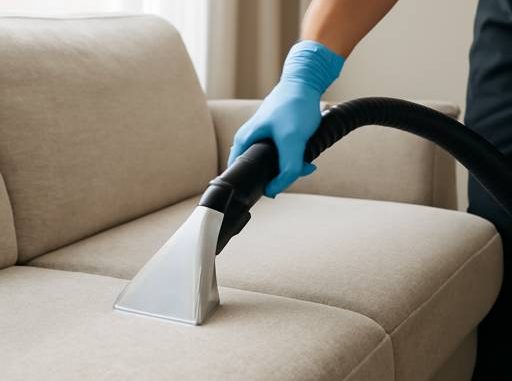
New York City is hard on furniture. Between everyday rush, outdoor grit that rides in on shoes and coats, and the inevitable spills of morning coffee or evening wine, your upholstered pieces work overtime. Professional upholstery cleaning in NYC isn’t a luxury; it’s the smart way to protect your investment, reduce allergens, and keep your home or workspace feeling fresh. Whether you’re caring for a beloved velvet sofa in a Brooklyn brownstone, a performance-fabric sectional in a Queens apartment, or dining chairs in a Manhattan condo, expert service restores color, revives texture, and removes deep-seated soil without risking damage. With eco-friendly products, careful fabric testing, and proven techniques tailored to New York living, clean furniture not only looks better—it lasts longer and supports healthier indoor air.
Why Professional Upholstery Cleaning Matters in New York City Homes and Apartments
City life leaves a signature on soft surfaces. Airborne soot from traffic, fine dust from construction, pollen carried through windows, and cooking oils from compact kitchens can all settle into fabrics. Over time, that residue dulls color, locks in odors, and abrades fibers—especially on high-touch areas like armrests and headrests. Professional upholstery cleaning reaches what routine vacuuming can’t, flushing out embedded grime with safe, fabric-appropriate solutions. The result is a visible refresh and a less noticeable benefit: improved indoor air quality by removing trapped allergens and particles.
New York’s buildings also add logistics you don’t see in other cities. Co-ops and condos often require a certificate of insurance, strict service windows, and elevator scheduling. Walk-ups demand light, nimble equipment. Reputable NYC technicians plan for these realities—arriving prepared with portable systems, protective corner guards for narrow hallways, and fast-drying methods to minimize downtime in small apartments. That attention to detail matters when there’s limited space to maneuver or when furniture needs to be put back into use the same evening.
Fabric variety is another reason to go pro. City shoppers love texture and design, so it’s common to see linen blends, chenille, boucle, velvet, wool, and designer microfibers in the same neighborhood. Each material responds differently to moisture, pH, agitation, and heat. Trained cleaners perform dye and fiber tests before treatment, ensuring the method matches the fabric code (W, S, W/S, or X). They know when a hot-water rinse will safely lift soil from a hardy polyester and when a low-moisture or solvent approach is the only way to protect a delicate rayon-viscose blend. With specialized stain removers for coffee, wine, cosmetics, and pet accidents—and odor neutralization that actually bonds with malodor molecules rather than masking them—professionals deliver results that DIY attempts rarely match.
Methods, Fabrics, and Stain Scenarios: How Pros Choose the Safest Approach
Effective upholstery cleaning in NYC starts with inspection. Pros identify fabric type and construction (tight weave vs. plush pile), check seam strength, and test for dye stability. From there, they select one of three primary methods:
– Hot-water extraction (“steam” cleaning): Ideal for many W and W/S fabrics. A controlled rinse flushes out soils after a gentle pre-conditioner and soft agitation. HEPA pre-vacuuming removes dry particulates first, reducing the risk of muddying. When done correctly—with low-moisture passes and thorough extraction—this method brightens colors and leaves fibers soft, not crunchy.
– Low-moisture foam or encapsulation: Perfect for delicate or structured pieces that shouldn’t be saturated. Encapsulating polymers surround soil so it can be vacuumed away after drying. This approach is favored for certain designer fabrics and when quick turnaround is crucial.
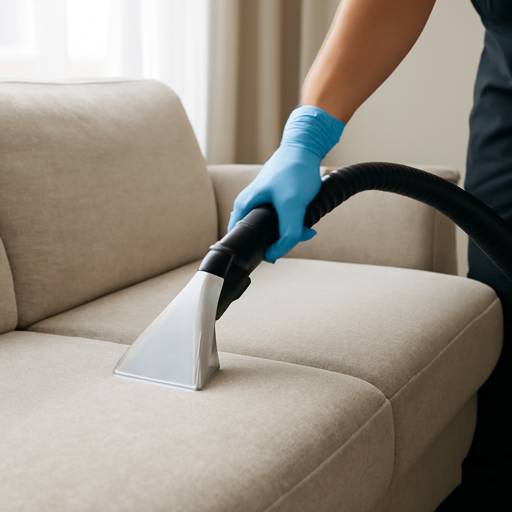
– Dry solvent cleaning: Reserved for S-coded textiles like some silks, rayons, and vintage velvets. Specialized solvents dissolve oils and lift soils without water, helping to prevent browning, shrinkage, or texture distortion. Technicians apply sparingly and groom fibers to maintain the nap.
Real-world stains demand targeted chemistry. Tannin reducers for tea and red wine, protein enzymes for milk and food spills, oxidation boosters for stubborn discoloration, and solvent spotters for cosmetics or ink are used in measured steps to avoid rings or color loss. A common NYC scenario: a linen-blend sofa meets a glass of cabernet during a dinner party. A pro would first blot and neutralize tannins, then gently apply an oxygen-based booster, followed by a cool, light rinse and immediate air movement—avoiding over-wetting that can create watermarking on linen.
Odors receive equal care. Pet accidents need a different protocol than cigarette smoke or lingering curry and garlic aromas. Enzyme and oxidizing treatments are applied at the correct pH and dwell time, then extracted completely. After cleaning, a fabric protector can be added to repel future spills and slow re-soiling—especially useful for dining chairs and family-room sectionals. Professionals also manage risks unique to certain fibers: velvet is groomed to restore its directional nap, viscose is handled to minimize pile distortion, and wool is kept within safe pH and temperature ranges.
Local Service Scenarios: From Brownstones to High-Rises—What to Expect and How to Prepare
Every NYC space sets its own stage. Brownstones often have narrow stairwells and original woodwork that technicians protect with corner guards and runners. High-rises require scheduling elevators, presenting insurance forms, and respecting building quiet hours. In Queens and Brooklyn, ground-floor apartments may allow quicker setups, but street parking can still be a puzzle—pros plan for it so your appointment stays on time. Expect a clear arrival window, a walkthrough to set priorities, and transparent pricing that reflects fabric type, soil level, and piece size rather than a one-size-fits-all quote.
Preparation helps. Clear end tables and fragile decor from around the furniture. A quick pre-vacuum is welcome but not required—pros bring HEPA vacuums for a deeper initial pass. Share any stain history (what spilled and when), mention prior DIY products used, and flag delicate cushions or loose seams. After cleaning, air movers speed dry times, usually bringing pieces back to use within a few hours. In humid summer weather or in rooms with limited airflow, running AC or a dehumidifier helps.
Consider a few NYC-inspired examples. A family in Astoria with two pets schedules quarterly maintenance to stay ahead of dander and couch traffic; enzymes and protector keep pet odors at bay without heavy fragrances. A Midtown office lounge sees constant use; low-moisture cleaning after hours revives seating without leaving damp cushions for morning meetings. A Park Slope nursery chair gets special attention with hypoallergenic, eco-friendly solutions safe for babies and pets. For residents who want professional results and local know-how, explore upholstery cleaning NYC to see service options that fit your building and fabric mix.
To extend results between visits, adopt a few habits: vacuum upholstery weekly with a soft brush attachment, rotate cushions to distribute wear, blot spills immediately (never rub), shield fabrics from direct sun to reduce fading, and use washable throws or arm covers on high-contact spots. Keep humidity moderate and consider a HEPA air purifier if you’re near busy avenues. These simple routines, paired with periodic professional care, keep NYC furniture looking sharp, smelling fresh, and ready for the next gathering—no matter what the city throws its way.

Alexandria maritime historian anchoring in Copenhagen. Jamal explores Viking camel trades (yes, there were), container-ship AI routing, and Arabic calligraphy fonts. He rows a traditional felucca on Danish canals after midnight.
