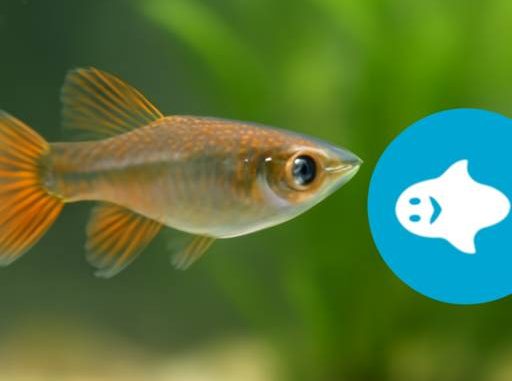
The UK’s aquarium scene is thriving, and today’s hobbyists expect more than pretty fins—they want robust health, ethical sourcing, and reliable delivery. Whether you’re setting up a tranquil nano aquascape or a lively community tank, finding freshwater fish that match your water, space, and skill level is the difference between a fleeting purchase and a long-term success story. From London flats with hard tap water to soft-water regions in Scotland and Wales, understanding how to choose species, what to look for in a retailer, and how to acclimate new arrivals will help you enjoy a vibrant, low-stress aquarium. Below, you’ll find practical guidance tailored to the realities of buying live fish in the UK—so your next delivery arrives healthy and thrives from day one.
Choosing the Right Freshwater Fish for Your UK Aquarium
Start with your water and your goals. UK tap water varies widely by region, and this has a direct impact on what you should buy. Much of the South and East of England has hard, alkaline water—perfect for livebearers such as guppies, platies, and mollies, which reward beginners with colour and activity. Soft-water areas, more common in parts of Scotland, Wales, and the North, favour species like neon and cardinal tetras, harlequin rasboras, and dwarf cichlids such as Apistogramma. Matching fish to your tap water keeps maintenance simple and supports long-term fish health without constant chemical tinkering.
Tank size and temperament are the next filters. A 60–100 litre community tank can comfortably showcase a shoal of midwater tetras, a peaceful centrepiece like a dwarf gourami, and a bottom crew of corydoras for clean-up duty. In contrast, a nano tank of 20–40 litres shines with micro-species such as chili rasboras, celestial pearl danios, and sparkling gourami, complemented by shrimp or a small snail population. Always respect schooling needs—tetras, rasboras, and corydoras look and behave best in groups of six or more. Overlooking this point leads to stress and dull colouration, even in otherwise ideal conditions.
Consider the bioload and future growth. A juvenile angelfish may look dainty, but it matures into a tall fish that can intimidate smaller tankmates. Bristlenose plecos remain a manageable size and graze on algae, while common plecos outgrow most home aquariums. For planted aquascapes, choose species that won’t uproot your layout; small rasboras, otocinclus, and dwarf corydoras tend to be plant-safe. If your vision includes a vibrant livebearer colony, plan for fry by adding floating plants or designating a grow-out solution so the population doesn’t surge beyond your filter’s capacity.
Real-world scenario: A London hobbyist with high pH/hardness sets up a 125-litre tank. They choose endlers, platies, and a trio of Poecilia sphenops mollies, then add a school of hardy corydoras that tolerate a range of parameters. The fish flourish because the water fits them. Meanwhile, a soft-water aquarist in Glasgow starts with a planted 80-litre tank and opts for ember tetras, pygmy corydoras, and honey gourami. Both achieve stability, colour, and natural behaviour by choosing stock that suits their local tap water and tank footprint.
What to Look For When Buying Live Fish Online in the UK
Quality starts at the source. A trusted UK retailer prioritises health, transparent information, and careful logistics. Look for detailed species listings with recommended parameters, compatibility notes, and size-at-sale clarity. Signs of healthy stock include clear eyes, intact fins, even breathing, and active—yet not frantic—swimming. While many shops use representative images, the best will also share videos or close-up photos of actual batches, especially for higher-end or wild-caught fish. Customer reviews that mention successful acclimation and long-term health carry more weight than generic praise.
Delivery matters as much as the fish. Reliable UK sellers use insulated packaging, oxygenated bags, and seasonally appropriate measures to manage temperature swings. Timed delivery windows, dispatch notifications, and simple live-arrival policies indicate confidence and professionalism. When reading policies, focus on what the retailer expects you to do upon arrival—such as photographing any issues right away—so there are no surprises. Ethical sourcing and responsible biosecurity are also important; ask how long fish are rested before sale and whether they’re observed for common issues prior to dispatch.
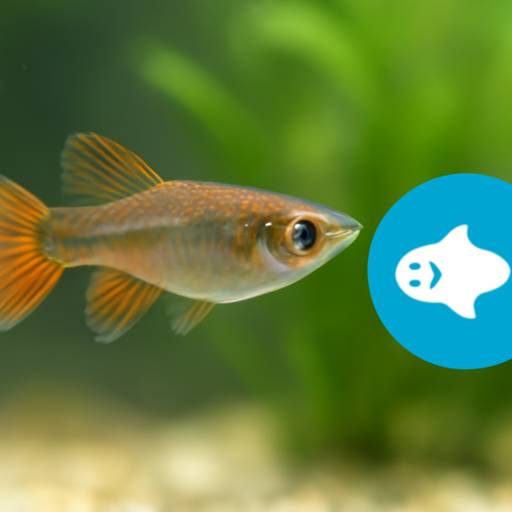
Local expertise is a subtle advantage. A business that understands British water profiles, seasonal temperature dips, and courier patterns can advise on species that thrive in your region and the safest days to ship. Responsiveness before and after purchase—help with stocking plans, parameter questions, and acclimation steps—signals a partner you can rely on for the long haul. When you’re ready to explore options, you can browse curated selections of freshwater fish for sale UK that are chosen for robust health and suitability to domestic setups.
Think long-term value, not the cheapest price. Bargain-bin fish that arrive stressed cost more in the end through losses and disease management. Instead, invest in a retailer that ships when conditions are right, communicates clearly, and refuses to compromise on welfare. Practical tip: Coordinate your delivery for a day when you’re home, have your quarantine or introduction plan ready, and have dechlorinated water on hand. Taking control of the arrival window transforms shipping from a risk to a routine step in responsible fishkeeping.
Care, Acclimation, and Quarantine: Setting New Fish Up for Success
Your job begins the moment the box arrives. Turn off bright lights, open the outer packaging, and inspect the bags. Float each bag in the tank or quarantine tub for 15–20 minutes to equalise temperature. Next, gradually mix small amounts of tank water into the bag over another 20–30 minutes. A drip line or measured cup works well. Avoid rushing this step—differences in pH and hardness can shock fish more than temperature changes. When transferring the fish, use a net and discard bag water rather than pouring it into your aquarium to reduce the risk of introducing unwanted contaminants.
Quarantine is the single most effective safeguard you can use. A simple 40–60 litre bare-bottom tank with a seasoned sponge filter, heater, and a few hiding spots will do. Observe new arrivals for two to four weeks, feeding lightly and monitoring for clear eyes, intact fins, normal respiration, and steady appetite. Keep ammonia and nitrite at zero, and perform small, frequent water changes to stabilise conditions. This controlled environment gives you time to catch problems early, protects your display tank, and reduces stress on newcomers by keeping lighting moderate and traffic low.
Feeding strategy makes or breaks the first week. Offer small meals of high-quality flakes or micro-pellets, then rotate in frozen or live foods—such as daphnia, baby brine shrimp, or bloodworms—to encourage colour and conditioning. Overfeeding is a common mistake; aim for what they’ll consume in a minute, then stop. Maintain consistency in timing and quantity so your filter and bacterial colony can keep up. If fish seem shy, dim the lights and keep the room quiet; many species show their best colours and behaviour once they feel secure.
Water parameters should be steady rather than “perfect.” Use a reliable dechlorinator, test weekly, and track trends in pH, GH, KH, ammonia, nitrite, and nitrate. If your tap water is hard and you love soft-water species, consider selecting naturally tolerant fish instead of chasing numbers. For aquascaped tanks, balance plant growth with fish load; healthy plants buffer minor parameter swings and offer refuge, while an oversized bioload overwhelms even dense greenery. A real-world UK example: a Manchester aquarist acclimates a group of corydoras and harlequin rasboras into a matured 125-litre planted tank. By quarantining for three weeks, feeding lightly, and matching temperature and pH before the final move, the fish settle quickly, show schooling behaviour within hours, and begin exploring the substrate and midwater with confidence.
Finally, think like a steward. Plan your stocking list with the adult size in mind, choose compatible temperaments, and maintain a reasonable maintenance routine—weekly water changes, filter care, and periodic plant trimming. Embrace patience: add fish in stages, let your biology catch up, and observe daily. With thoughtful selection, a trustworthy UK supplier, and mindful acclimation, your new freshwater fish will reward you with vivid colour, natural behaviours, and years of enjoyment.

Alexandria maritime historian anchoring in Copenhagen. Jamal explores Viking camel trades (yes, there were), container-ship AI routing, and Arabic calligraphy fonts. He rows a traditional felucca on Danish canals after midnight.

Leave a Reply